This week, the Ministry of Diaspora Affairs announced that the operating licenses of 37 international aid organizations working in Gaza and the West Bank will be revoked as of January 1, and that these organizations must cease their activities in Gaza and the West Bank by early March.
In recent months, Israel has introduced regulatory measures for international non-governmental organizations (NGOs), including a requirement that each organization provide verified and verifiable information regarding its employees. Statements made by the organization or any of its staff criticizing Israel, as well as the sharing of information by these organizations with the International Criminal Court in The Hague, may also constitute grounds for revoking an organization’s license.
There is no dispute that Israel has the right and the obligation to defend itself. The events of October 7 left no doubt regarding Hamas’s intentions. However, two million people who have been displaced from their homes, some more than once, and who are spending the winter in leaking tents (at best), are dependent on international assistance. Thousands of sick and injured individuals stand helpless in the face of a healthcare system that has been severely damaged during the war, and the aid provided by these organizations is essential.
It appears that these measures are intended to obstruct, to the point of preventing altogether, the work of humanitarian organizations. Conditioning approval of aid workers on statements aligned with the government, and prohibiting any form of criticism, including scrutiny of social media posts dating back five years, constitutes persecution and the silencing of legitimate and democratic criticism. This aligns with government policies suggesting that Gaza is not meant to be a liveable place. Moreover, the impression is that this is a populist move which, more than safeguarding Israel’s security, serves cynical political needs, at the expense of millions of suffering people. We are aware that responding to populist measures may in itself serve them, but given the severe situation in Gaza, we see no alternative but to raise a clear and firm voice.
One of Israel’s claims is that the scope of aid provided by these organizations is relatively negligible. However, this claim does not align with United Nations data, according to which international NGOs deliver approximately 12% of the authorized supply of medicines entering Gaza, about 30% of the medicines awaiting entry, and have provided, since 2025, approximately 83% of the shelter equipment used by residents. Furthermore, there are organizations whose impact cannot be measured in kilograms of aid. Handicap International: Humanity & Inclusion is a global leader in physical rehabilitation; the rehabilitation needs in Gaza are immense and cannot be quantified by the number of aid trucks.
Harming the entry of medicines or shelter equipment during the winter, preventing medical and rehabilitative treatments, and eliminating a supportive and healing humanitarian presence are steps that compel the medical and mental health communities to speak out. Since the blockade imposed by Israel on Gaza, and even more so since October 8, Gaza’s residents have been isolated from the world, living in survival mode under inhumane and traumatic conditions. This has far-reaching consequences for mental health. The presence of international aid organizations constitutes a vital human anchor and a testimony that Gaza’s residents remain part of the international human community.
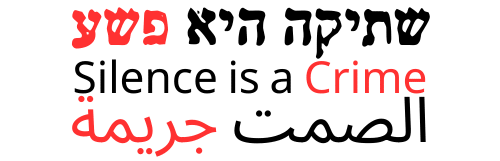
Silence in the face of this reality is an ethical failure. Therefore, we call on international health organizations, as well as professional associations, to raise their voices and to demand the unrestricted entry of humanitarian aid into the Gaza Strip.